- English
- Español
- Português
- русский
- Français
- 日本語
- Deutsch
- tiếng Việt
- Italiano
- Nederlands
- ภาษาไทย
- Polski
- 한국어
- Svenska
- magyar
- Malay
- বাংলা ভাষার
- Dansk
- Suomi
- हिन्दी
- Pilipino
- Türkçe
- Gaeilge
- العربية
- Indonesia
- Norsk
- تمل
- český
- ελληνικά
- український
- Javanese
- فارسی
- தமிழ்
- తెలుగు
- नेपाली
- Burmese
- български
- ລາວ
- Latine
- Қазақша
- Euskal
- Azərbaycan
- Slovenský jazyk
- Македонски
- Lietuvos
- Eesti Keel
- Română
- Slovenski

How Do Printing Rollers Improve Industrial Printing Efficiency?
2025-12-18
Article Summary: This article explores the critical role of Printing Rollers in modern industrial printing. It provides a comprehensive overview of types, specifications, applications, maintenance techniques, and answers to common questions. The goal is to guide printing professionals in selecting, using, and maintaining Printing Rollers for optimal efficiency.
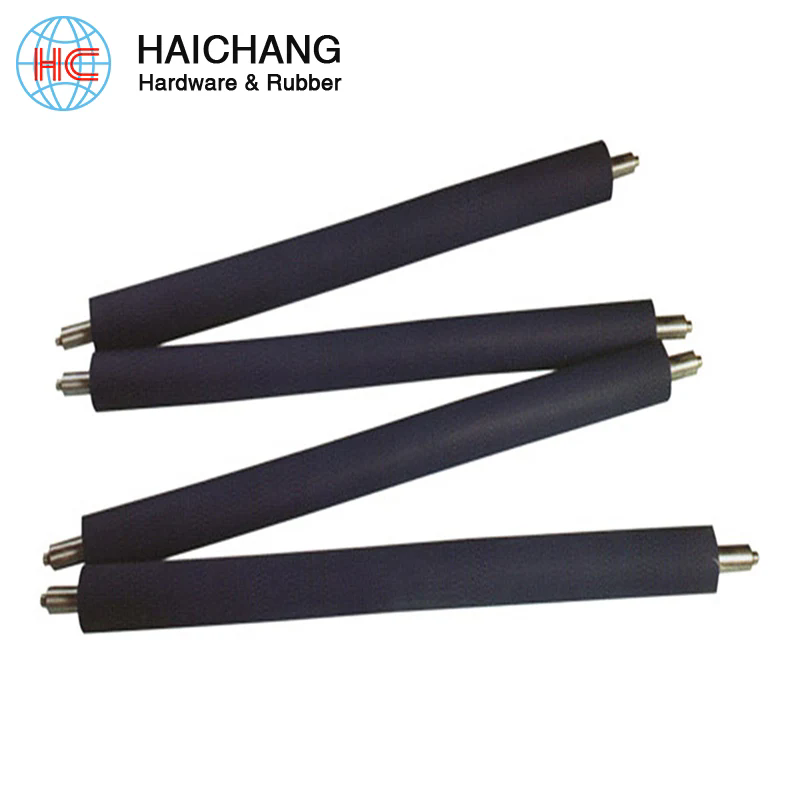
Table of Contents
- Introduction and Product Overview
- Types of Printing Rollers and Industrial Applications
- Maintenance and Troubleshooting Guide
- Common FAQs and Brand Information
Introduction and Product Overview
Printing Rollers are a fundamental component in industrial printing machines, responsible for transferring ink evenly onto printing substrates. They are used across a wide range of printing applications including flexographic, gravure, offset, and digital printing. Understanding the specifications, material composition, and operational guidelines of printing rollers is crucial for maintaining print quality and extending roller lifespan.
This article focuses on in-depth questions about Printing Rollers, exploring their types, applications, maintenance strategies, and answers to frequently asked questions, providing professionals with actionable insights.
Printing Roller Specifications
| Parameter | Specification |
|---|---|
| Material | EPDM, Silicone, Polyurethane, Rubber, Steel Core |
| Diameter | 20mm – 500mm |
| Length | 50mm – 2000mm |
| Hardness | 30 – 90 Shore A |
| Temperature Resistance | -50°C to 200°C |
| Surface Finish | Polished, Matte, Textured |
| Core Material | Steel, Aluminum |
Types of Printing Rollers and Industrial Applications
Printing Rollers are classified according to their material, coating, and specific printing technology. Each type provides unique advantages in terms of ink transfer, durability, and surface compatibility. Selecting the correct roller type ensures efficient production and reduces operational downtime.
1. Rubber Printing Rollers
Rubber rollers are highly flexible and provide excellent ink transfer for various substrates. They are widely used in flexographic printing due to their resilience and ability to maintain consistent pressure across uneven surfaces.
2. Silicone Printing Rollers
Silicone rollers offer high-temperature resistance and chemical durability, making them ideal for printing on heat-sensitive materials or in processes requiring rapid drying of inks.
3. Polyurethane Printing Rollers
Polyurethane rollers combine abrasion resistance and elasticity, suitable for high-speed industrial printing applications where long-term wear resistance is critical.
4. Steel Core Rollers with Coating
Steel core rollers coated with rubber or polyurethane provide a balance of strength and flexibility. They are commonly used in heavy-duty printing presses that require precise dimensional stability.
Industrial Applications
- Flexographic Printing: Labels, packaging films, cardboard
- Offset Printing: Newspapers, magazines, books
- Gravure Printing: High-quality packaging and decorative materials
- Digital Printing: Industrial-scale print-on-demand production
Maintenance and Troubleshooting Guide
Proper maintenance of Printing Rollers is essential to maximize lifespan and maintain print quality. Common issues include uneven ink distribution, roller surface damage, and mechanical wear.
Routine Maintenance Steps
- Regular cleaning using suitable solvents to remove ink residues
- Periodic inspection for surface wear, cracks, or deformation
- Lubrication of roller bearings and mechanical assemblies
- Rotation and alignment checks to prevent uneven printing pressure
Troubleshooting Common Problems
| Problem | Solution |
|---|---|
| Ink Smearing | Check roller hardness, clean roller surface, adjust press speed |
| Roller Surface Cracks | Replace damaged rollers, avoid chemical solvents that degrade material |
| Uneven Printing Pressure | Inspect roller alignment, adjust machine settings, ensure core integrity |
| Excessive Wear | Use abrasion-resistant rollers, maintain proper lubrication, monitor operational load |
Common FAQs and Brand Information
Printing Rollers FAQ
Q1: How often should printing rollers be replaced?
A1: Replacement frequency depends on usage, substrate type, and ink chemical composition. Generally, high-speed operations require inspection every 3-6 months, while less intensive use may extend to 12 months. Signs such as uneven printing, surface cracking, or reduced ink transfer efficiency indicate replacement is needed.
Q2: What cleaning methods are best for Printing Rollers?
A2: Cleaning methods vary depending on roller material. Rubber and polyurethane rollers require mild solvents, whereas silicone rollers can withstand stronger chemical cleaners. Avoid abrasive cleaning tools that may damage the surface finish.
Q3: Can Printing Rollers be used on multiple printing machines?
A3: Rollers can be reused across compatible machines with similar specifications. Ensure diameter, core type, and hardness match the new machine’s requirements. Improper compatibility may cause print defects or mechanical damage.
Haichang provides a comprehensive range of high-quality Printing Rollers designed for industrial efficiency, durability, and precise ink transfer. For professional consultation, detailed specifications, and custom solutions, contact us today to optimize your printing operations.